How to prepare for power outages?
Topic: Checking on behalf of my neighbor
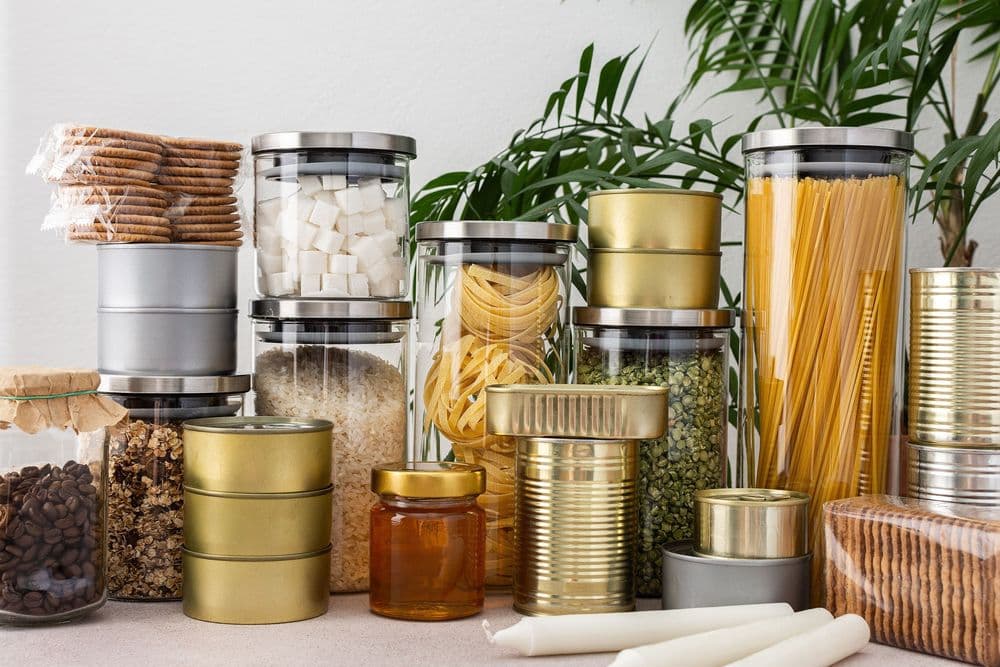
In everyday life, few of us think about what would happen if the electricity or water suddenly went out. Yet authorities and organizations recommend that every household prepare to survive on their own for at least 72 hours. This is called a home emergency.
A prolonged power outage or disruption in water distribution can quickly affect many everyday essentials: cooking, heating, lighting, access to information, and hygiene. That’s why it’s important to have basic supplies at home for at least three days.
What is a home emergency supply (“kotivara”)?
A home emergency supply refers to the items you already have at home that help you manage without electricity, water, or trips to the store. It is not a separate storage room or a crisis kit, but can consist of ordinary everyday products you use anyway.
The most important thing is to ensure that there is enough food, water, and essential items to last three days for everyone living in the household, including pets.
What should be included in a home emergency supply?
A good rule of thumb is to store items that can be used without electricity and that remain usable at room temperature.
Food:
- Canned foods such as soups, beans, or fish
- Crispbread, biscuits, or other dry goods
- Nuts, protein bars, or dried fruit
- Baby food or special diet products as needed
Water:
- Drinking water: at least 2 liters per person per day
- For three days, this means about 6 liters per person
- Store water in clean canisters or bottles
Water shelf life:
Tap water stored in a clean, sealed container will keep for several months in a cool, dark place. It should be stored in food-grade containers or clean, tightly sealed bottles. It is recommended to wash the containers thoroughly before filling them.
Water should be replaced every 6–12 months to maintain good taste and quality. Mark the container with the filling date.
If water quality is uncertain during a crisis, it can be boiled for at least 5 minutes before use.
Other essential supplies:
- Battery-powered or rechargeable flashlight
- Batteries or a power bank
- Hand sanitizer and wet wipes
- First aid supplies
- Regularly used medications
- Warm clothing and blankets
How to prepare for a power outage
A power outage quickly affects daily life. Lights go out, the refrigerator and freezer stop working, and electrical devices cannot be used.
To prepare for a power outage:
- Keep a flashlight easily accessible
- Charge phones and power banks in advance
- Avoid unnecessary opening of the refrigerator and freezer
- Have warm clothing and blankets ready for a cooling home
If the outage is prolonged, your home may cool down quickly, especially in winter. In that case, focus on keeping one room warm and dress in layers.
How to prepare for a water outage
During a water outage, drinking water is not available from the tap. That’s why drinking water is one of the most important parts of the home emergency supply.
To prepare:
- Store enough drinking water at home
- Fill clean containers with water in advance if you are notified of an upcoming outage
- Maintain hand hygiene with hand sanitizer or wet wipes
Home emergency supplies bring security to everyday life
Households’ independent preparedness helps authorities and, above all, increases personal safety. When the basics are ready at home, unexpected situations cause less worry.
It’s a good idea to check your home emergency supplies a few times a year: use the products normally and replace them with new ones. This ensures that the supplies are always usable.
With a bit of preparation, you can ensure that you can manage calmly at home even during water or power outages.
More on the Same Topic
Everything you need to know about fault reports at YH Kodit
Filing a fault report is important whenever issues requiring repair arise in your apartment or in the shared areas of the property. But when is a fault report enough, and when should you contact property management? In this blog post, we’ll go over how to submit a fault report and what happens next.